Mannequin Psychology” — Why Displays Make People Buy
Mannequin Mode on 2nd Jan 2026
Why Smart Merchandisers Focus on the “Why” Behind Every Display
In visual merchandising, it’s easy to get caught up in the aesthetics — the colors, the outfits, the props. But the real magic happens when you understand the why behind every styling choice. Why does eye-level placement increase conversions? Why do certain color stories trigger impulse buys? Why do shoppers pause at one display and breeze past another?
This blog is built for merchandisers, boutique owners, and retail creatives who want more than surface-level styling tips. It’s for those ready to master the psychology of shopper behavior, the science of display flow, and the strategy behind every mannequin pose and accessory placement. By diving into the why, you don’t just create beautiful displays — you create experiences that sell.
Whether you're refreshing your storefront, launching a seasonal campaign, or building your brand from the ground up, this series will help you turn every mannequin into a silent salesperson. Let’s go beyond the basics and unlock the strategies that drive real results.
How mannequins influence shopper behavior
Mannequins play a powerful role in influencing shopper behavior by turning passive browsing into active buying. A strategically styled mannequin display helps customers visualize fit, lifestyle, and outfit possibilities, making products feel more attainable and desirable. In retail visual merchandising, mannequins act as high‑impact focal points that increase traffic flow, boost product visibility, and drive impulse purchases. When placed at store entrances or key sightlines, they instantly communicate trends, brand identity, and value, encouraging shoppers to explore more. Effective mannequin styling doesn’t just showcase clothing — it enhances the customer experience, strengthens brand storytelling, and directly contributes to higher retail sales.
Color stories that trigger impulse buys
Color stories are one of the most effective visual merchandising tools for triggering impulse buys, especially when paired with well‑styled mannequins. Strategic color combinations instantly capture attention, guide the eye, and create emotional responses that influence purchasing decisions. In retail displays, cohesive color stories help shoppers quickly understand trends, outfit possibilities, and brand identity, making products feel more intentional and desirable. Bright, high‑contrast palettes spark excitement and urgency, while soft neutrals create a sense of luxury that elevates perceived value. When mannequins showcase these curated color stories, they transform simple outfits into compelling visual narratives that increase engagement, boost dwell time, and drive spontaneous sales.
The science behind eye‑level placement
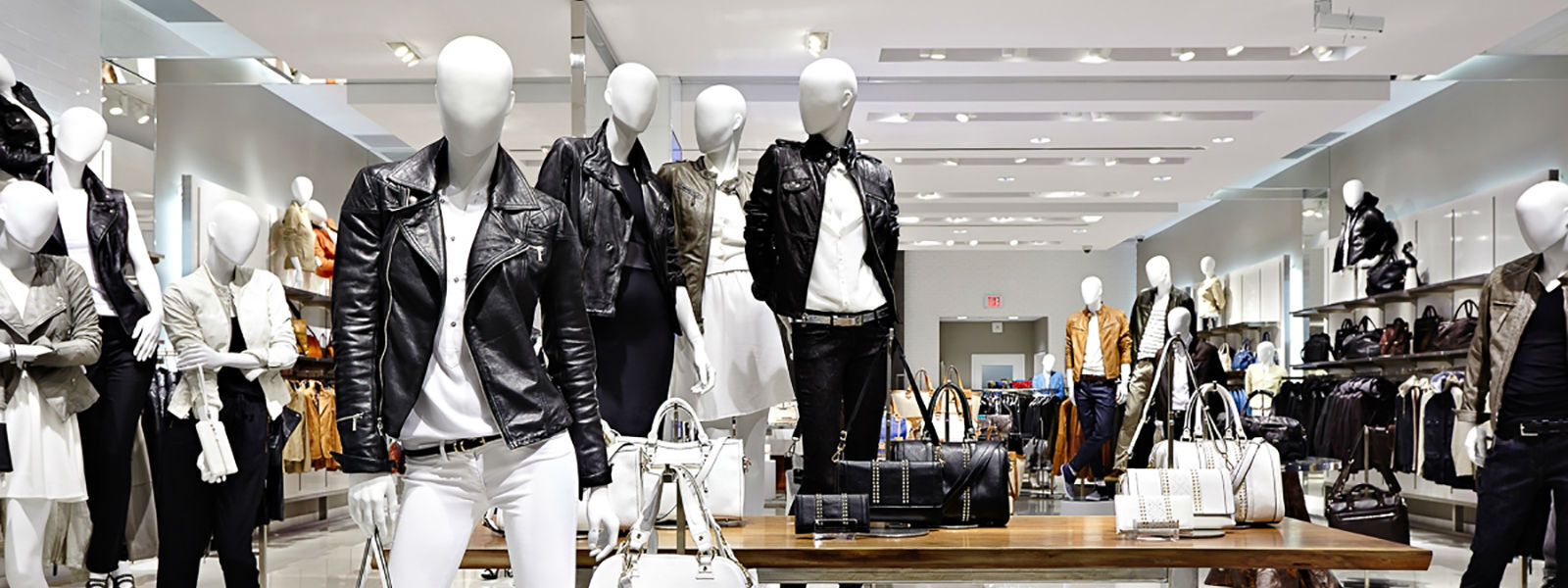
Eye‑level placement is one of the most powerful principles in visual merchandising because it aligns directly with how shoppers naturally scan a retail space. Products and mannequins positioned at eye level receive the highest visibility, the longest viewing time, and the strongest emotional impact, making them far more likely to drive conversions. This “prime zone” taps into basic human behavior: customers instinctively look straight ahead before scanning up or down, so eye‑level displays become the first—and often most memorable—impression. When mannequins are styled and placed within this sightline, they instantly communicate trends, outfit ideas, and value, guiding shoppers deeper into the store. Eye‑level placement isn’t just a design choice; it’s a science‑backed strategy that boosts engagement, increases impulse buys, and maximizes retail sales.
Before/after display transformations with commentary
Before-and-after display transformations are a powerful visual merchandising strategy that showcases the impact of strategic styling, mannequin placement, and cohesive storytelling. By comparing outdated or cluttered retail displays with refreshed, eye-level mannequin arrangements and curated color stories, retailers can clearly see how small changes drive big results. These transformations highlight improvements in product visibility, shopper engagement, and overall store aesthetics. Adding expert commentary to each makeover—explaining why certain choices were made and how they influence shopper behavior—turns a simple visual into a learning moment. Whether you're a boutique owner or a merchandiser, documenting display makeovers with insights helps build authority, and inspire actionable upgrades that increase retail sales.
Before/After Display Transformation: “From Cluttered to Conversion-Ready”
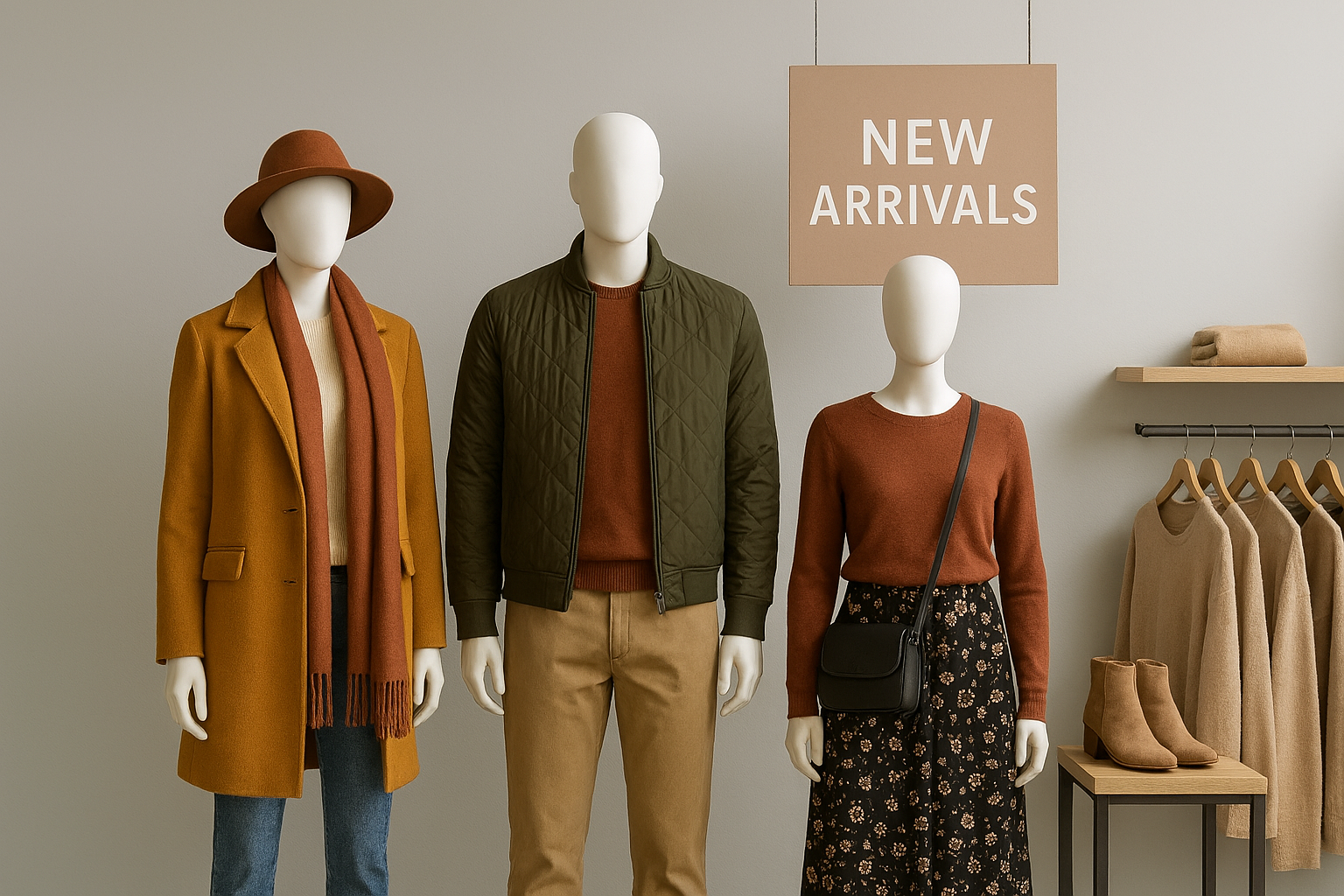
Before: Missed Opportunities
This display featured three mannequins dressed in mismatched styles with no clear theme or color story. The center mannequin was positioned too low, falling below the shopper’s natural eye level, while the side mannequins were partially blocked by nearby racks. Lighting was uneven, and accessories were scattered on a table behind the mannequins, making them easy to overlook. The overall effect felt disconnected, and shoppers walked past without engaging.
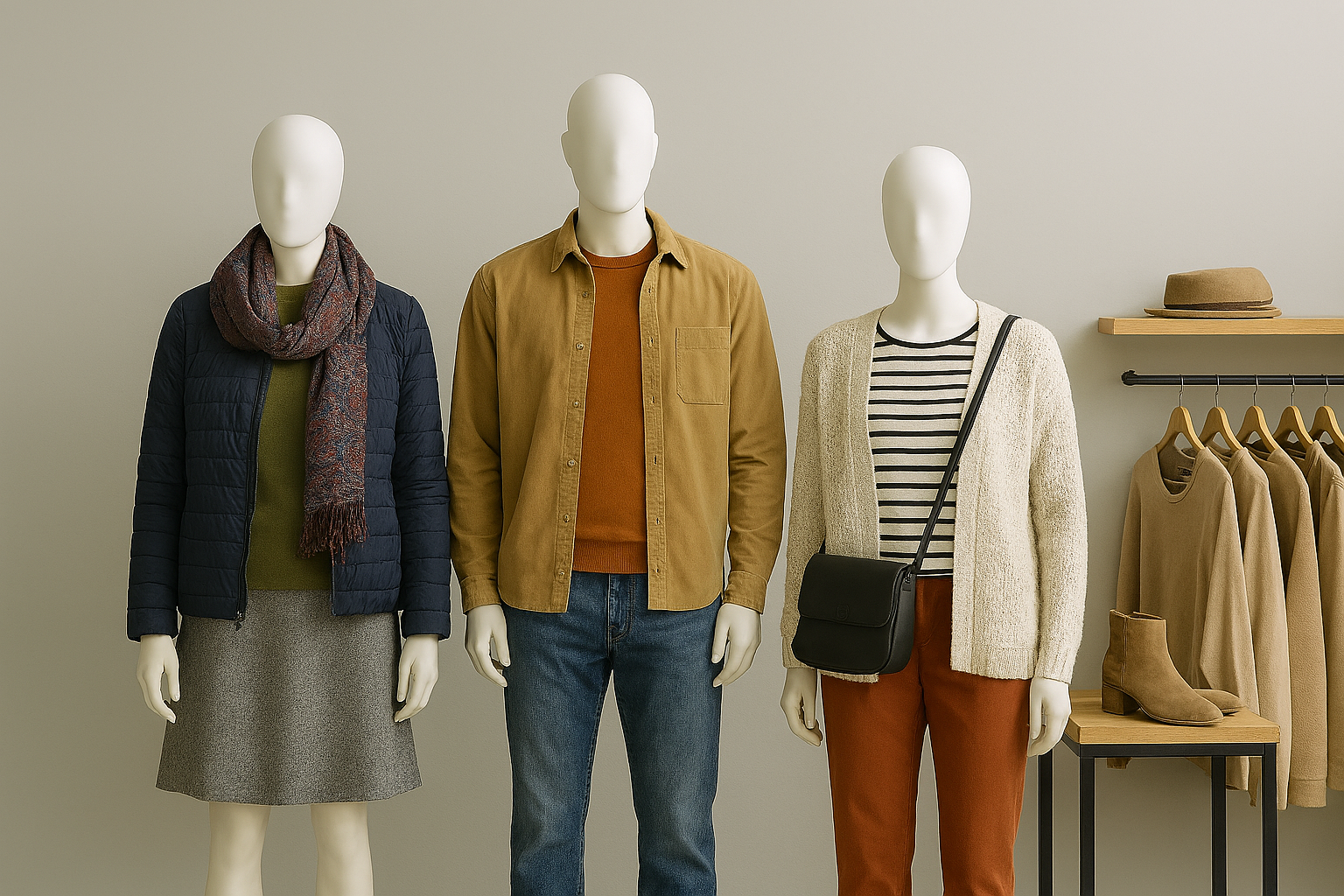
After: Eye-Level Impact & Emotional Connection
We elevated the center mannequin to align perfectly with eye-level sightlines and styled all three using a cohesive fall color palette: rust, mustard, and olive. The mannequins were arranged in a soft arc to guide the shopper’s gaze naturally across the display. Accessories were repositioned at eye level — scarves, hats, and bags — to increase perceived value. A clean “NEW ARRIVALS” sign was added above the focal point to create urgency and clarity. The result? Increased dwell time, more customer interaction, and a noticeable lift in sales for the featured items.
Professional Visual Merchandising Tips for High‑Impact Mannequin Displays
1. Start With a Clear Story
Every mannequin display should communicate one message at a glance — a season, a trend, a lifestyle, or a mood. When shoppers instantly understand the story, they’re more likely to stop, engage, and buy.
2. Prioritize Eye‑Level Placement
Eye level is prime real estate in any retail environment. Keep your strongest outfit, boldest color, or highest‑margin item within the shopper’s natural sightline to maximize visibility and conversions.
3. Use Cohesive Color Stories
Color is the fastest way to capture attention. Choose a palette of 2–3 complementary tones and repeat them across outfits and props. This creates harmony, reduces visual clutter, and increases perceived value.
4. Style With Intention
Avoid over‑layering or adding accessories just to fill space. Every piece should support the story — from the shoes to the scarf. Clean, intentional styling always reads more premium.
5. Keep the Background Clean
A cluttered backdrop competes with your display. Use neutral walls, minimal props, and simple signage so the mannequins remain the focal point.
6. Refresh Displays Frequently
Shoppers crave novelty. Rotate outfits weekly or bi‑weekly, even if it’s just swapping accessories or changing the hero mannequin. Freshness signals relevance and keeps customers returning.
7. Pair Displays With Product Adjacencies
Always place the featured items within arm’s reach. When shoppers can immediately grab what they see on the mannequin, conversion rates rise dramatically.
8. Use Lighting to Your Advantage
Soft, directional lighting highlights textures, colors, and silhouettes. Avoid harsh overhead lights that flatten the display or cast distracting shadows.
9. Add One High‑Impact Detail
A standout accessory, a bold color pop, or a seasonal prop can elevate the entire display. One strong detail is more effective than many small ones.
10. Follow the Rule of Thirds
Arrange mannequins and props in visually balanced thirds — left, center, right. This creates a natural flow that guides the shopper’s eye across the entire display.