The 7 Mannequin Styling Mistakes That Are Quietly Hurting Your Sales (And How to Fix Them)
Mannequin Mode on 15th Jan 2026
Mannequins are one of the most influential sales tools in your store — yet they’re also one of the most overlooked. A well‑styled mannequin can stop foot traffic, increase dwell time, and inspire customers to buy the full outfit. But a poorly styled mannequin? It can quietly chip away at your sales without you even realizing it.
If your displays aren’t converting the way they used to, one of these seven common mistakes might be the reason. The good news: every single one is fixable.
- Using Only One Body Type
Shoppers want to see themselves represented — not just one version of “ideal.” When every mannequin is the same size, shape, or pose, your displays unintentionally exclude a huge portion of your customer base.
Fix It
- Mix standard, plus‑size, and specialty forms
- Use mannequins with different poses and personalities
- Style outfits that reflect real customer proportions
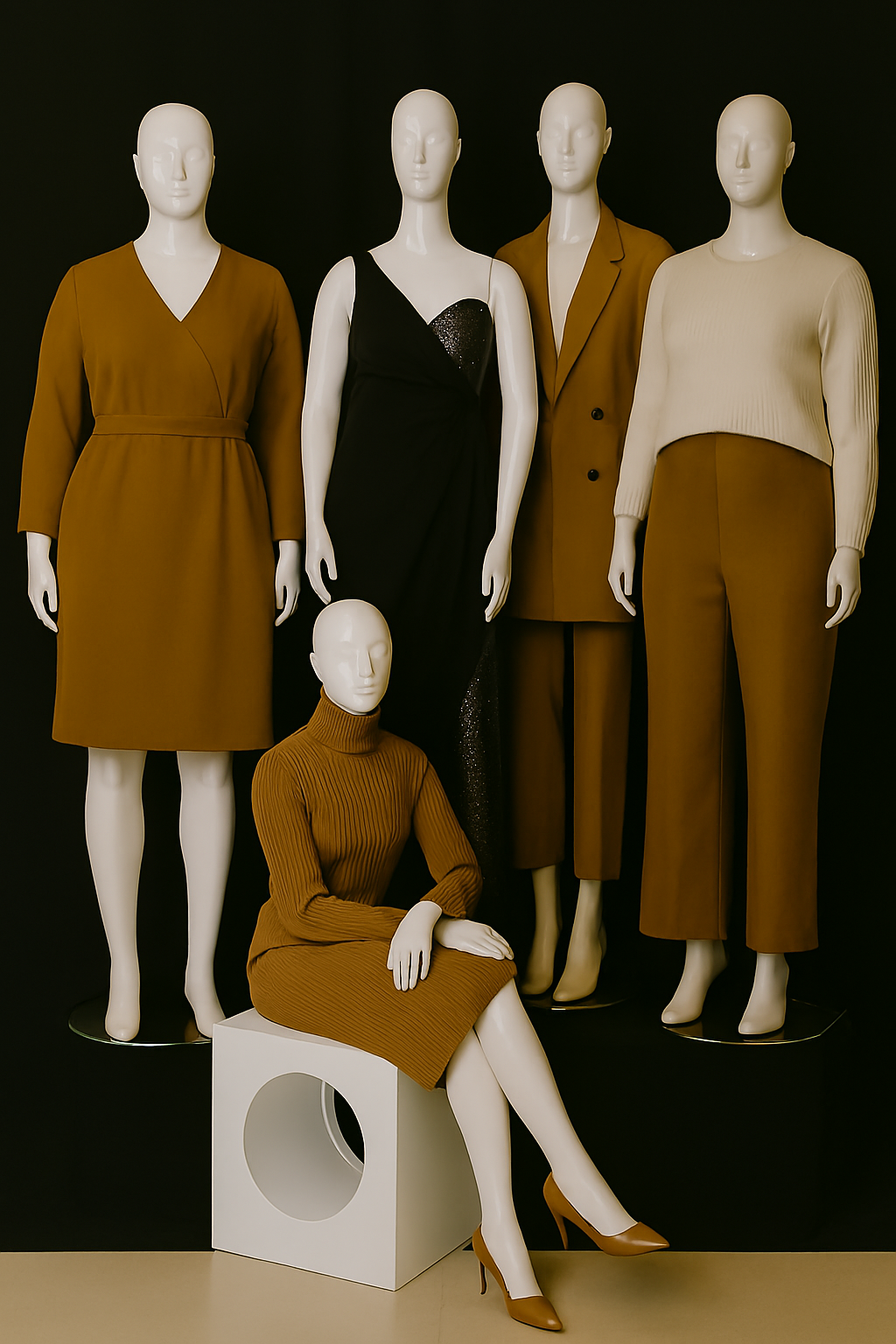
Inclusivity isn’t a trend — it’s a sales strategy.
- Overstuffed or Understyled Outfits
Too much stuffing makes clothes look unrealistic. Too little styling makes them look flat and lifeless. Both send the message that your products won’t fit well.
Fix It
- Use minimal, strategic padding only where needed
- Smooth seams, hems, and waistbands
- Pin garments from the back for clean silhouettes
- Add small styling touches like rolled sleeves or half‑tucks
Your mannequin should look like a polished version of your customer, not a costume.
- Ignoring Seasonal Storytelling
If your mannequins look the same in March as they did in November, customers stop noticing them. Displays should evolve with seasons, weather, and campaigns — not just holidays.
Fix It
- Update outfits every 2–4 weeks
- Tie displays to micro‑seasons (spring refresh, summer travel, fall layering)
- Use props sparingly to support the theme
Seasonal storytelling keeps your store feeling fresh and intentional.
- Poor Lighting Choices
Even the best‑styled mannequin falls flat under bad lighting. Harsh shadows, dim corners, or yellow bulbs can make outfits look dull or outdated.
Fix It
- Use bright, neutral lighting (4000–5000K)
- Add spotlights to highlight key mannequins
- Avoid placing displays in dark or cluttered areas
Lighting is one of the fastest ways to elevate your entire store aesthetic.
- No Clear Focal Point
When everything is competing for attention, nothing stands out. A cluttered or unfocused display confuses the shopper’s eye and reduces engagement.
Fix It
- Choose one mannequin or outfit as the “hero”
- Build supporting mannequins around it
- Keep props minimal and purposeful
- Use color stories to guide the eye
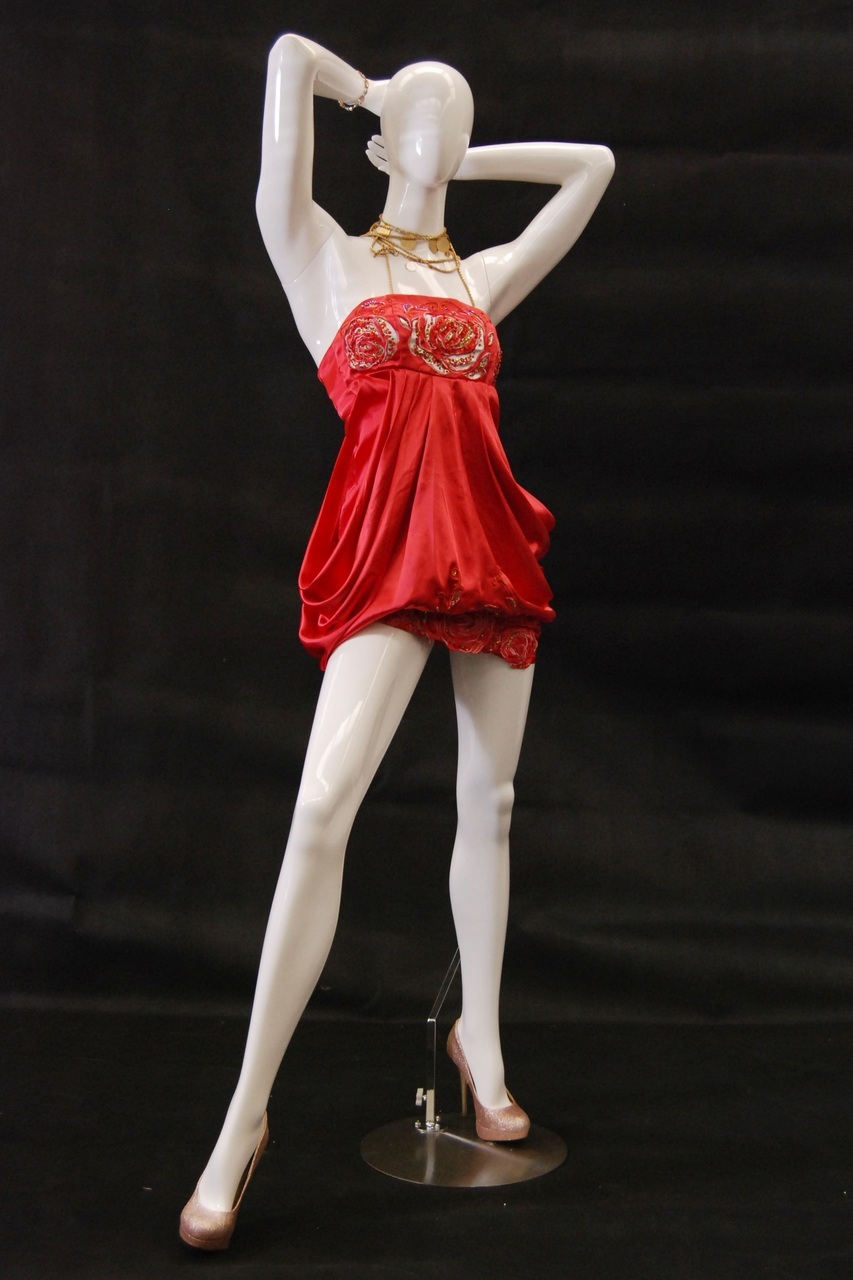
A strong focal point creates visual hierarchy — and higher conversions.
- Outdated or Damaged Mannequins
Scratched bases, chipped fingers, yellowing torsos, or outdated poses can make your boutique feel less premium than your products deserve.
Fix It
- Replace damaged mannequins promptly
- Invest in modern forms with clean lines
- Incorporate plus‑size and diverse body types
- Keep bases polished and hardware secure
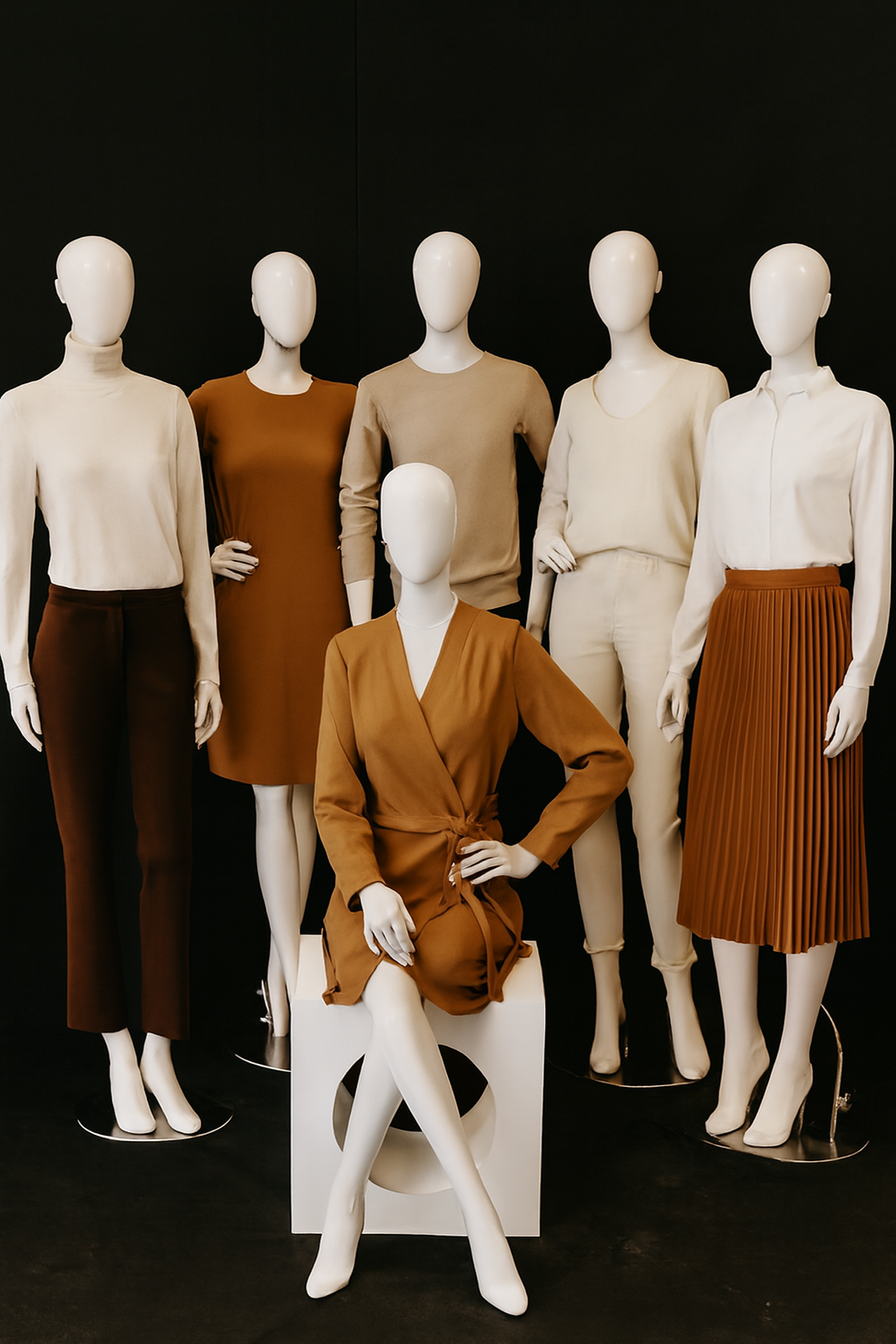
Your mannequins are part of your brand identity. Treat them like it.
- Forgetting the Digital Shopper
Today’s customers shop with their phones first. If your mannequins aren’t photo‑ready, you’re missing out on free marketing, social shares, and online conversions.
Fix It
- Style mannequins with Instagram‑worthy outfits
- Keep displays clean and uncluttered
- Use consistent backgrounds for easy photography
- Encourage customers to tag your boutique
A mannequin that photographs well sells well — both in‑store and online.
Final Thought
Mannequin styling isn’t just about making clothes look good. It’s about creating a visual story that connects with your customers, reflects your brand, and inspires them to shop. By avoiding these seven common mistakes and making small, intentional updates, you can transform your displays — and your sales — almost instantly.